Project Overview
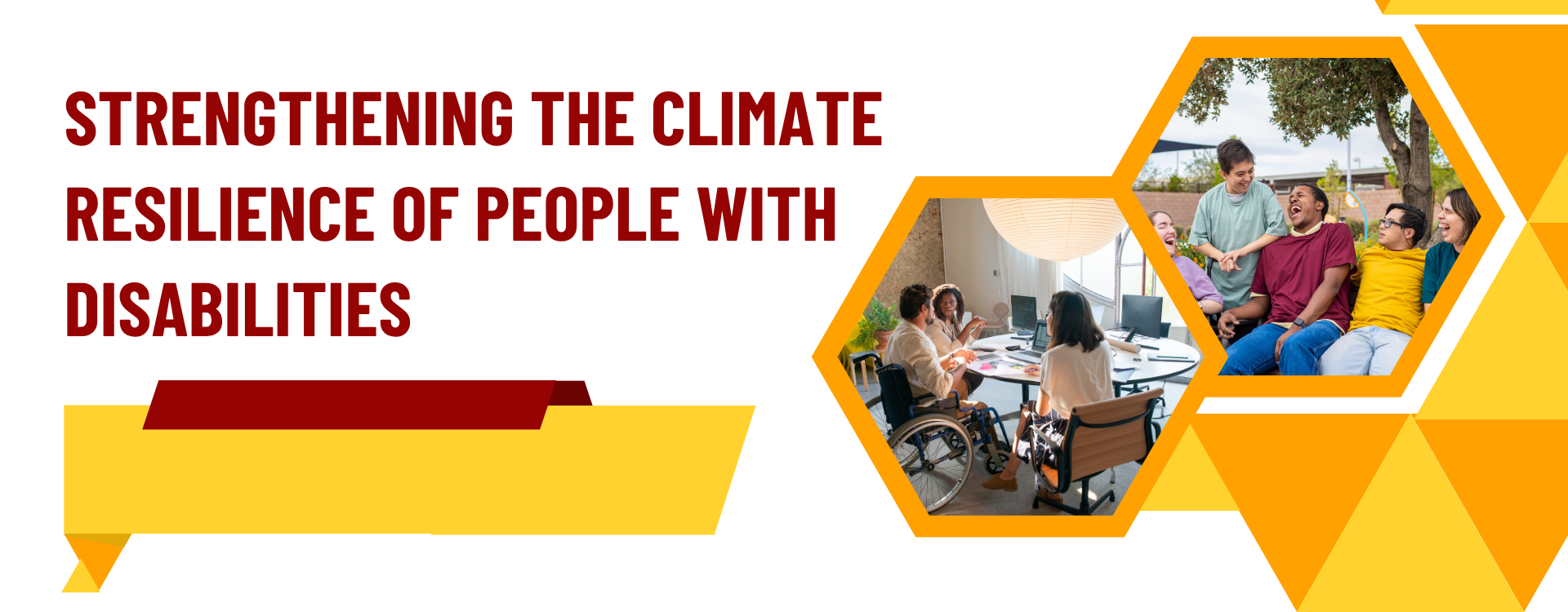
Strengthening the Climate Resilience of People with Disabilities is a collaborative research project that aims to better understand how to build connections between people with disabilities, communities, and leadership to strengthen the capacity of local communities to respond to climate emergencies.
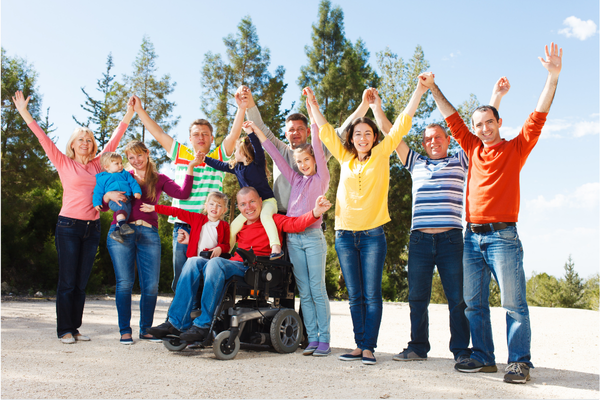
The project aims to support a highly diverse group of individuals and communities whose experiences and contributions are essential to building a climate-resilient future for all community members.
The project is being led by SRDC in partnership with the Canadian Red Cross and Eviance and is funded by Accessibility Standards Canada - Government of Canada.
Project Goals:
- Examining the diverse and intersectional strengths and needs of people with disabilities in relation to climate emergencies.
- Focusing on how federally regulated organizations can better address these intersectional needs through their programs and services.
Project Partners


Why This Work Matters
Current emergency planning systems have not consistently integrated the experiences and expertise of people with disabilities. This can result in inaccessible alerts, transportation barriers, and communication gaps during crises. Addressing these issues presents an opportunity to strengthen emergency responses, especially within federally regulated areas (e.g., transportation, finance, communications).
By more intentionally drawing on the knowledge and lived experiences of people with disabilities, emergency plans can become more responsive and equitable.
Canada has made commitments to inclusive emergency planning, acknowledging that certain groups face disproportionate impacts. However, there remains a need to more fully recognize and incorporate the contributions of people with disabilities to community resilience. Their insights are not only valuable, they are essential to building systems that work for all.
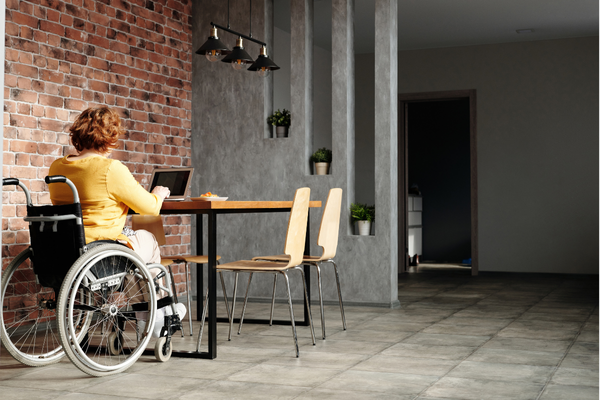
This project investigates the diverse experiences of people with disabilities during climate emergencies and how intersecting social and systemic factors—including gender, class, ethnicity, and Indigeneity—shape the barriers they face and the resources available to them.

Our team will adopt a community-based case study approach to guide the research. We will conduct three in-depth studies, each designed to uncover nuanced realities on the ground. The work will begin in Winnipeg, anchoring the inquiry in a real urban context.

Partners will interview local experts and review background research to understand each community’s history with climate change, disaster response and recovery, and disability inclusion, with particular focus on whether and how people with disabilities participate in local planning and action.

Leveraging the network of the Canadian Red Cross, we will identify which organizations currently play, or could play, a key role in supporting climate resilience for people with disabilities. The aim is to discover actionable ways these organizations can adapt and strengthen their support.
English Webinar - Video
Key Context and References:
- UN Office for Disaster Risk Reduction (UNDRR), 2024: People with disabilities face disproportionate risks in disasters and barriers to DRR information, alerts, and services.
- Gaskin et al., 2017: Pre-existing barriers contribute to higher mortality rates for people with disabilities during and after emergencies.
- Jodoin, 2022: Calls for participatory, disability-disaggregated data and disability-inclusive risk and capacity assessments; highlights gaps in Canada’s strategies, including the National Adaptation Strategy’s limited reference to disability.
We recognize that “people with disabilities” refers to a hugely diverse group of individuals and communities, whose experiences and contributions are essential to building a climate-resilient future for all.